
Spotlights on Ageism: Staying Active
Pippa Britton, Chair, Public Health Wales
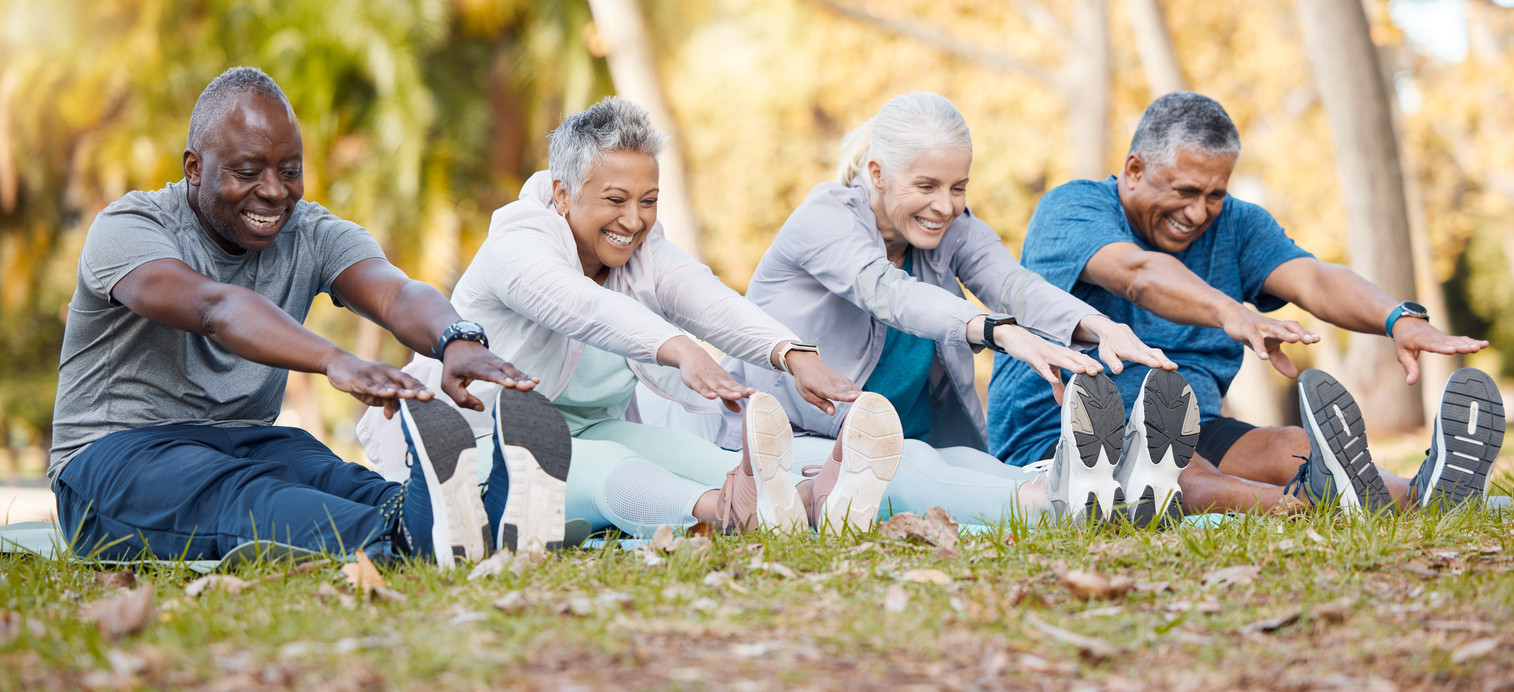
Staying active as we get older isn’t just about fitness—it’s a gateway to new friendships, brighter moods, and feeling part of something bigger and in Wales we want to encourage more people over 60 to participate in sport and leisure through innovative programmes that challenge stereotypes around ageing.
Locally, we have a great opportunities for older adults to embrace physical activity and sport through the 60+ Active Leisure Scheme, which offers free or discounted access to leisure centres, community venues, and outdoor spaces across the country, for anyone aged over 60.
This isn’t just about health; it’s about challenging ageism, fostering inclusion, and strengthening the bonds that hold communities together.
Yet, the journey to an active lifestyle isn’t always straightforward. Many older adults face real barriers: transport limitations, especially in rural Wales, can make it difficult to reach activities. The cost and reduced availability of free or low-cost sessions can be a challenge, and there’s often a lack of awareness about what’s available locally. Health concerns—such as fear of falls or chronic conditions—can discourage participation, especially when activities aren’t adapted to individual needs and programs moving online mean that digital exclusion can leave some behind.
Having said that, there are some really great examples where people are able to access local venues, community halls, and independent living centres. We know that social connection is a powerful motivator—peer support, group-based activities, and volunteer-led sessions help people feel welcome and engaged. There is a role for people like GPs and social prescribers in signposting people, and many community groups work hard to ensure that older adults’ preferences and safety needs are respected.
The impact of these efforts is clear in the numbers. According to the National Survey for Wales (2022-23), 70% of 16–24 year olds meet the Chief Medical Officer’s Physical Activity Guidelines, but this drops to just 38% for those aged 75 and over. Activity levels often decline with age, and this just highlights the need for targeted support.
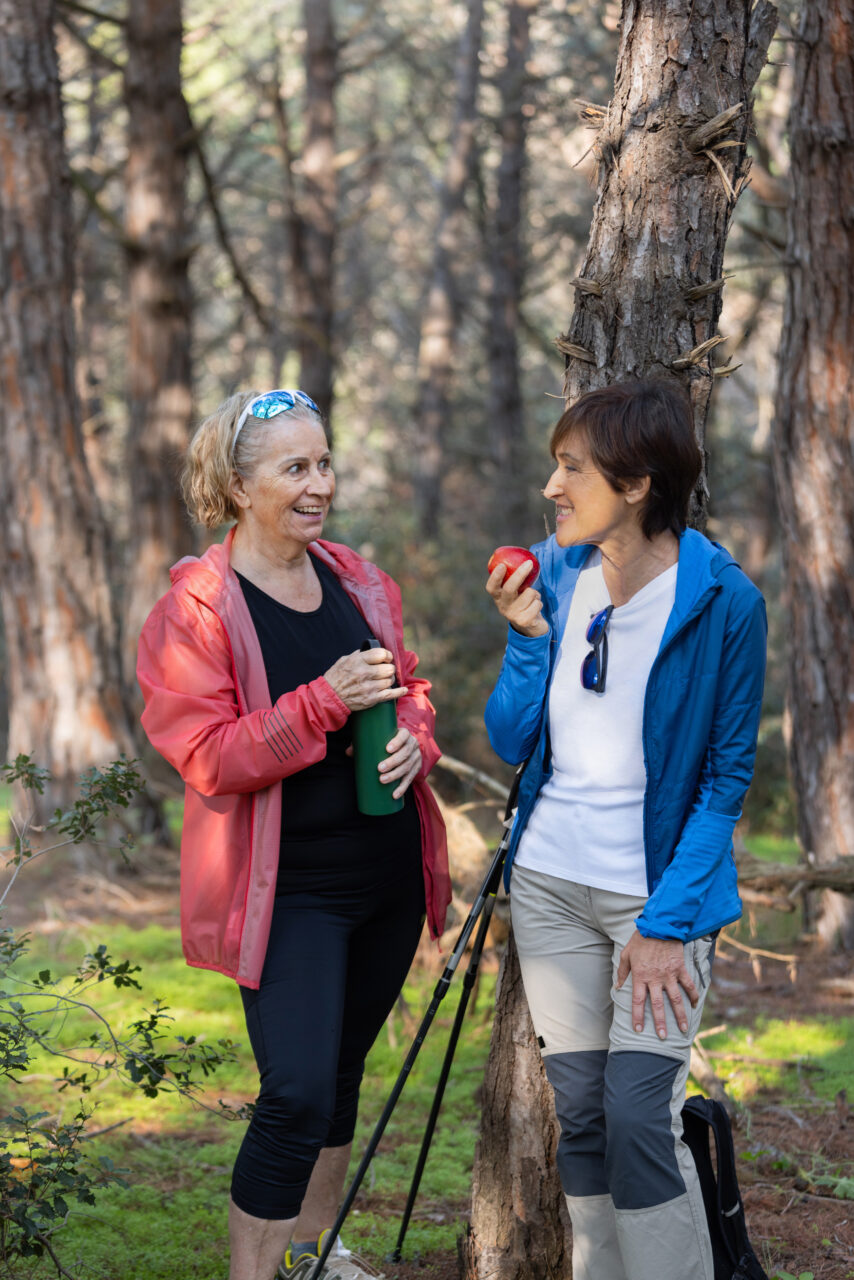
Since its launch in 2021, the 60+ Active Leisure Scheme has delivered over 10,750 sessions, attracting 154,500 attendances. In the past year alone, 5,552 people took part in 125 different types of exercise, proving the programme’s growing popularity. It is funded by the Welsh Government with Sport Wales and is available in all 22 local authorities. We know that it isn’t just about physical health too – taking part in activity helps combat loneliness and social isolation and people report better mental wellbeing and stronger social connections through regular involvement.
It isn’t all statistics though and hearing from people who say things like “Usually at the end of a busy day, I will be in agony with my back. I don’t get that anymore.” or “I thought exercise was going to make it worse… but no, it doesn’t work like that. It’s been an eye-opener.” or even “It’s changed my life and I’m doing things now I could never do in my 30s and 40s.” tells us an amazing story.
Loneliness is a major risk factor for dementia, stroke, and heart disease, but the 60+ scheme embeds social participation into every activity. The scheme also challenges stereotypes about ageing. With activities ranging from pickleball and climbing to yoga and walking football, older adults are proving it’s never too late to try something new. Participants report increased confidence, better mental health, and a renewed sense of purpose. As one person put it, “There’s definitely been a stereotype about it being too late to get into climbing… this session blew that expectation out of the water.”
What makes the 60+ Active Leisure Scheme truly special is how it aligns with the World Health Organization’s eight Age-Friendly Domains. Activities in parks and leisure centres make spaces accessible and welcoming, local opportunities reduce transport barriers, partnerships with housing associations bring activities closer to home, and group activities foster connection and inclusion.
Looking ahead, leadership in Wales needs to address barriers at every level—individual, community, and policy. Recognising the impact on enjoyment, social connection, and inclusiveness can help shift the narrative from a purely health-focused approach to one that celebrates the joy and community of physical activity.
Wales is definitely trying to lead the way in supporting older adults to stay active, connected, and healthy. By breaking down barriers and fostering inclusive, community-driven programs, we can all work towards everyone having the opportunity to thrive—at any age.
Pippa Britton, Chair, Public Health Wales